Basketball
Recovery Science Has Become a Competitive Edge
Sleep tracking, ice baths, load monitoring and personalised nutrition are now as important as practice. The teams that recover best, play best.
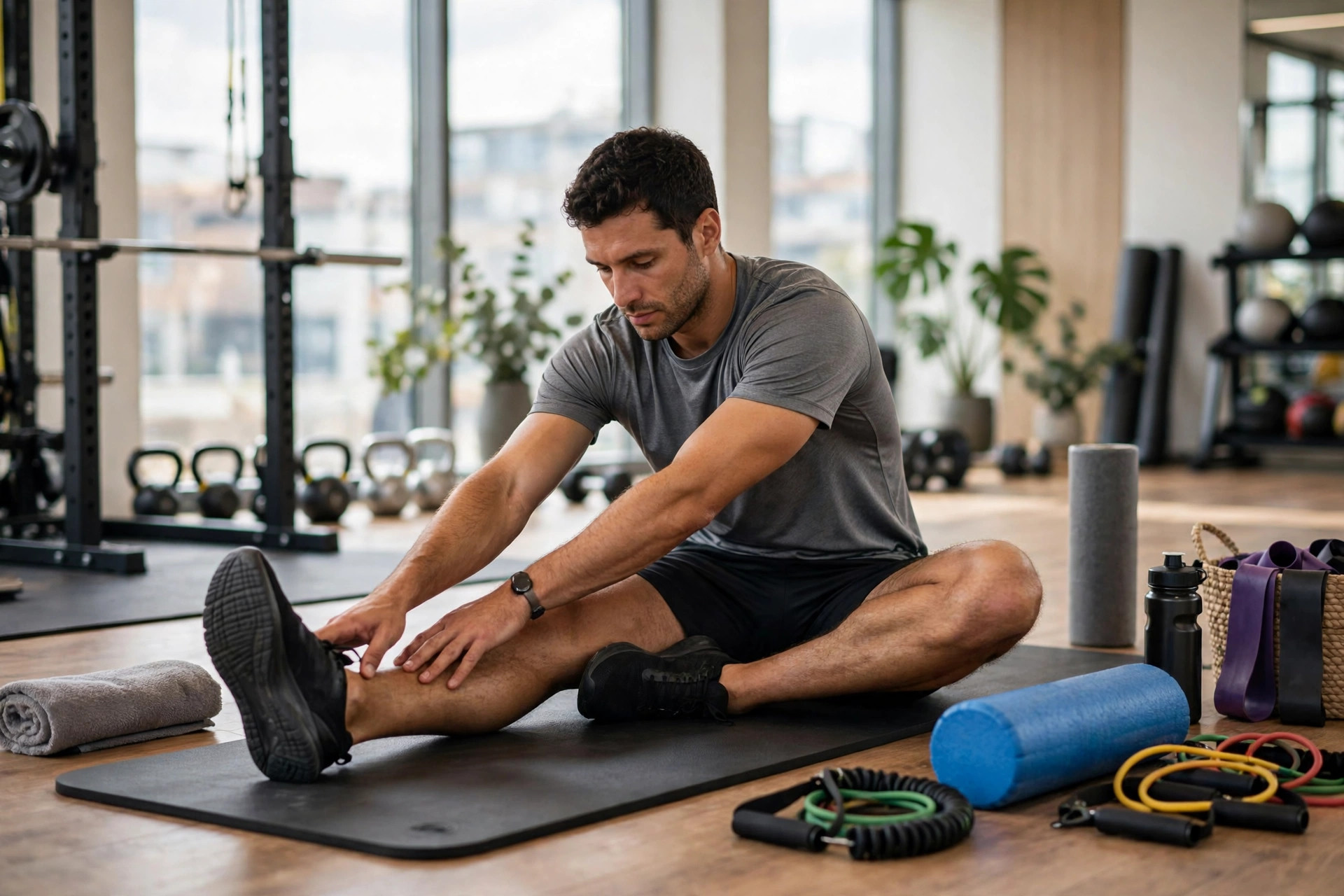
The hardest working part of a modern sports team may be the one that never touches a ball. Performance staff now track sleep, heart-rate variability, muscle soreness and training load for every athlete, every day, and the data decides who trains hard, who rests, and who plays. Recovery has moved from the margins of preparation to its centre.
The logic is straightforward. Athletes do not get better during training; they get better during the recovery that follows it. A training session breaks the body down, and adaptation happens while it rebuilds. Teams that manage that cycle well can train harder across a season without breaking players down. Teams that manage it badly lose players to the soft-tissue injuries that now account for so many missed games.
The toolkit has grown far beyond the ice bath. Sleep is now treated as a performance variable, with teams hiring sleep specialists and adjusting travel schedules to protect it. Nutrition is personalised, with individual plans based on body composition and workload. Wearable devices monitor how hard an athlete worked and how well they have recovered, and the numbers feed directly into selection decisions.
The approach is not without tension. Players are asked to share intimate health data with their employers, and the line between care and surveillance is thin. Coaches, meanwhile, must balance the data against their own judgement: a player who is flagged as fatigued may still be the one the team needs on the court. The best performance departments are the ones that treat the numbers as a conversation, not a verdict.
What is clear is that recovery is no longer a soft science. The teams investing most heavily in it are the ones whose players stay available longest, and availability is the most underrated ability in sport. In a long season, the advantage goes not to the team with the most talent, but to the team that can put its talent on the floor most often.