Tennis
The Serve Keeps Getting Faster, and Returns Are Fighting Back
Racket technology, training and taller athletes have pushed serving speeds to new levels. The return of serve has become the most undervalued skill in tennis.
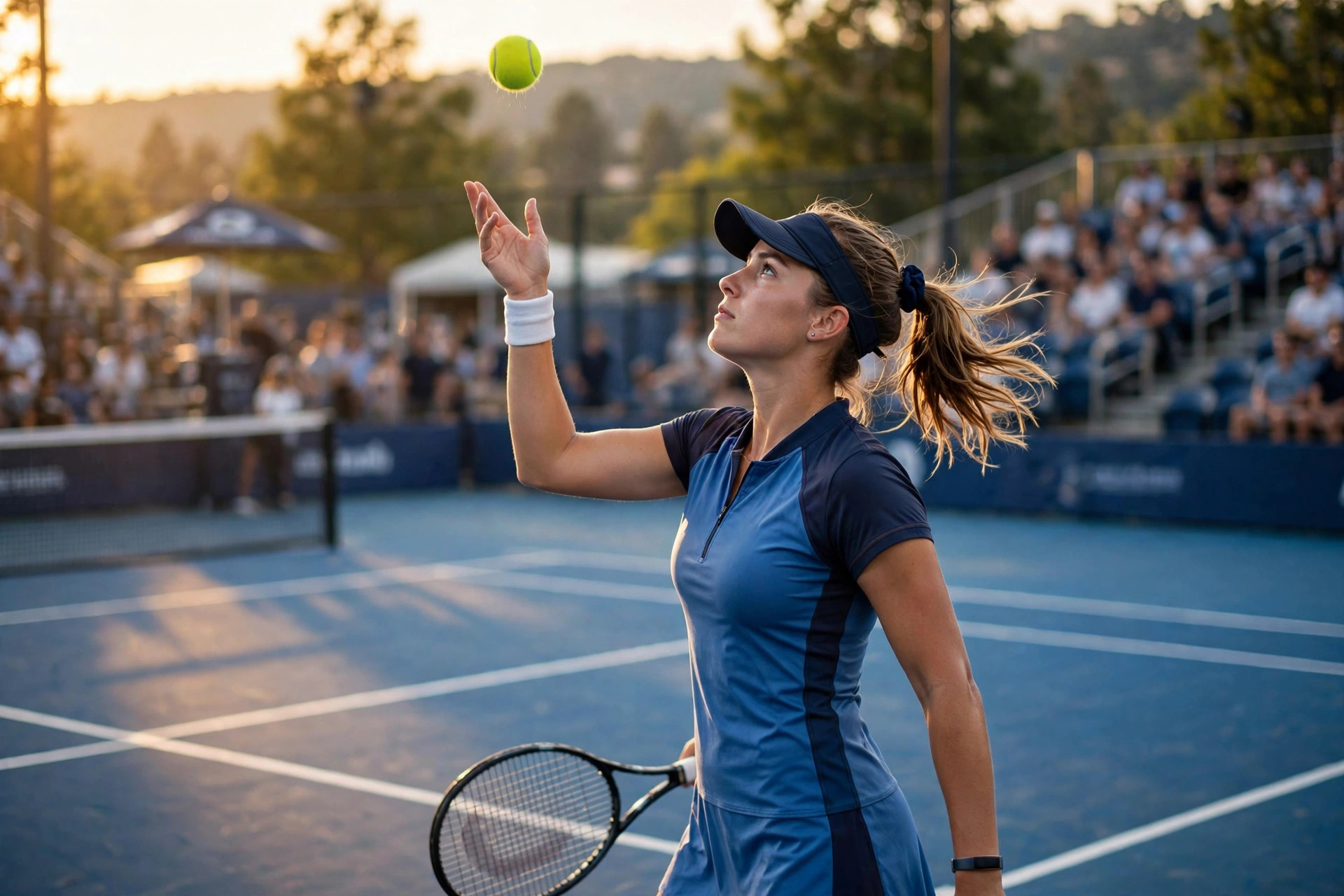
The first point of a tennis match is often decided before the rally starts. Serve speeds have climbed steadily for years, helped by stronger athletes, better training and rackets that transfer more energy into the ball. For the player receiving, the time to react has shrunk to a fraction of a second, and the serve has become the single most powerful weapon in the game.
The numbers tell the story plainly. Average first-serve speeds on the professional tours are higher than they were a decade ago, and the gap between the biggest servers and the rest has grown. A dominant serve can carry a player through service games with barely a rally played, which makes the break of serve, once a routine part of a set, into a rare and decisive event.
What is less discussed is how returners have responded. The best returners in the modern game stand further back, split-step earlier and treat the return as a skill to be trained as seriously as the serve itself. Coaches now use video analysis to map serving patterns and tendencies, so a returner walks onto court knowing where the serve is likely to go before it is hit. Anticipation has become the counterweight to raw speed.
Equipment plays a role on both sides. Modern strings give players more control and spin, which helps servers place the ball but also helps returners redirect pace. Court surfaces matter too: faster courts reward the server, slower ones give the returner time. Tournament organisers quietly adjust surface speeds from year to year, and those small decisions shape whether matches are decided by aces or by rallies.
For spectators, the tension between serve and return is part of what makes the sport compelling. A match dominated by unreturned serves can feel one-sided, while a contest between a great server and a great returner produces the longest and most dramatic rallies. The balance between the two skills is the sport's central drama, and for now the returners, armed with data and better technique, are holding their ground.