Football
Women's Football Crowds Are Rewriting the Business of the Game
Attendances have climbed sharply, broadcasters are paying more, and clubs are investing seriously for the first time. The growth is real, and so are the growing pains.
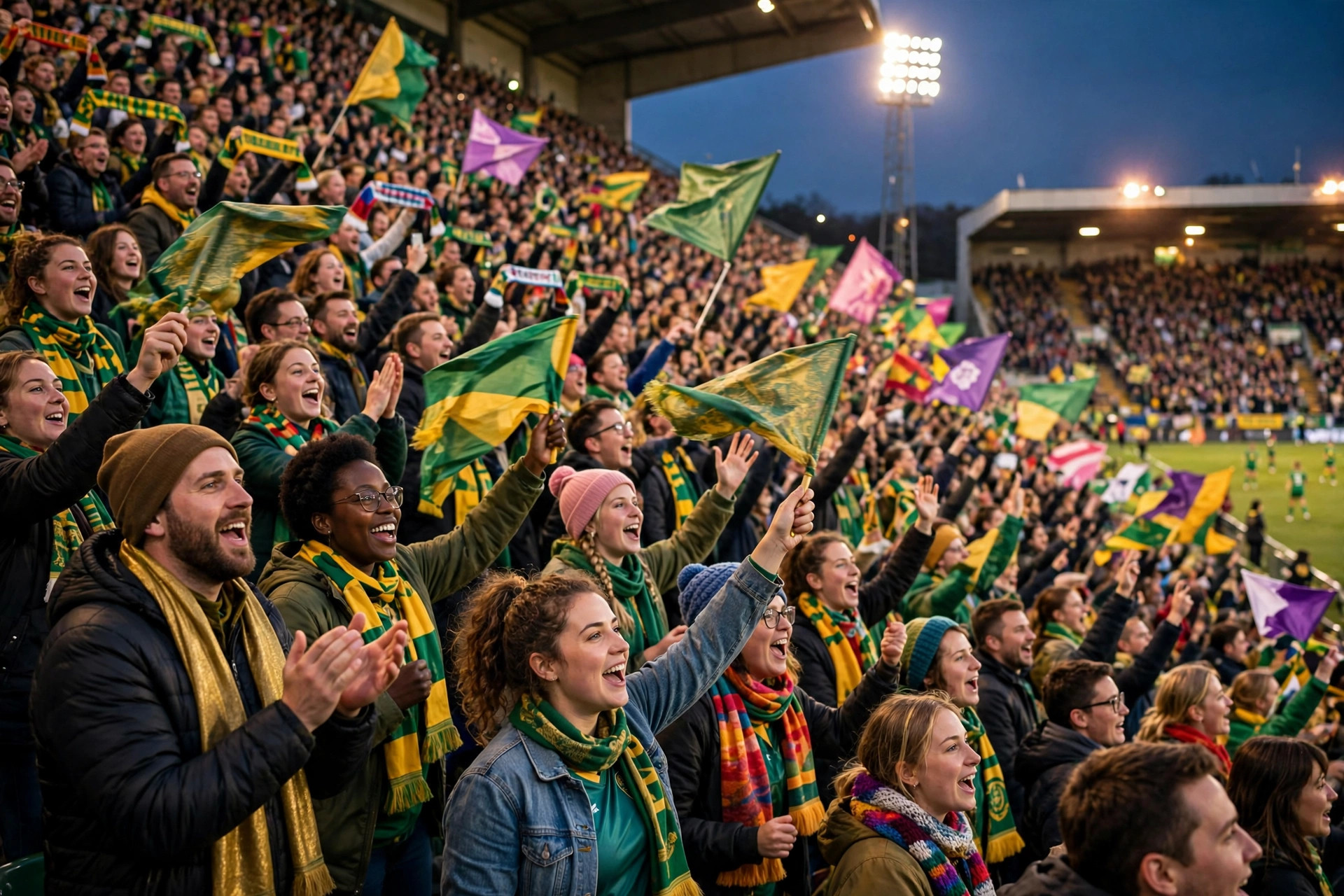
A few years ago, a big crowd at a women's football match was news. Now it is the expectation. Stadiums that once hosted a few thousand supporters are filling tens of thousands, and the biggest fixtures sell out the largest grounds in the country. The change has been fast enough to catch even the clubs by surprise, and it has rewritten the economics of a sport that was, until recently, treated as an afterthought.
The growth is built on visibility. More matches are broadcast, more highlights circulate on social media, and young supporters can follow players they recognise from international tournaments. That recognition matters: attendance follows familiarity, and familiarity follows coverage. Clubs that invested in marketing their women's teams properly have seen the return in ticket sales and merchandise, while those that treated the women's side as a footnote have watched supporters drift to clubs that took it seriously.
Money is following the crowds. Broadcast deals for women's football have risen sharply, and sponsors who once ignored the women's game are now competing to be involved. The sums are still far below the men's game, but the direction is clear, and the growth rate is what investors notice. Several clubs have announced dedicated facilities and training centres for their women's squads, investments that would have been unthinkable a decade ago.
The growth brings its own problems. Fixture schedules are crowded, with players asked to play more games across more competitions. Pitch quality and facilities still lag behind the men's game at many clubs, and the pay gap, though narrowing at the top, remains enormous lower down the pyramid. The players driving the boom are also the ones carrying its workload, and their unions have become more vocal about rest, travel and medical support.
What happens next depends on whether the investment keeps pace with the interest. The crowds have arrived, the broadcasters have arrived, and the sponsors are arriving. If clubs and governing bodies match that enthusiasm with proper facilities, fair pay and sensible scheduling, the boom becomes a foundation. The women's game has spent years asking to be taken seriously. The crowds have now made the argument for it.